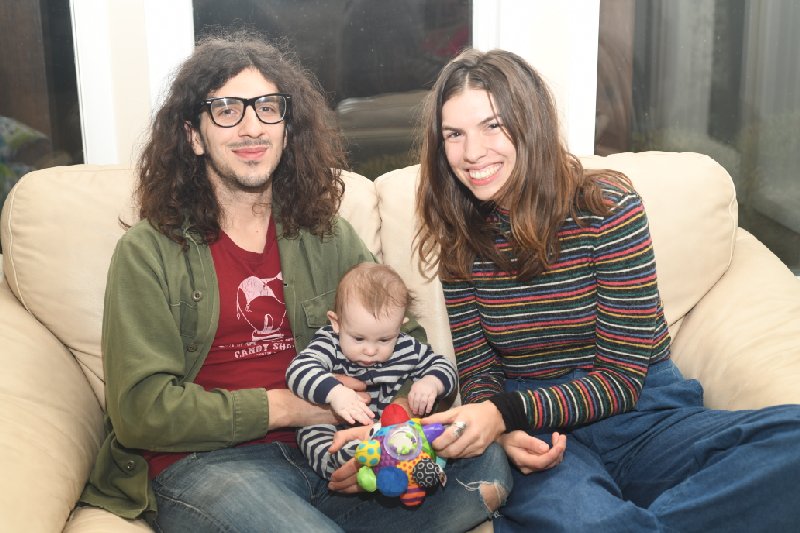
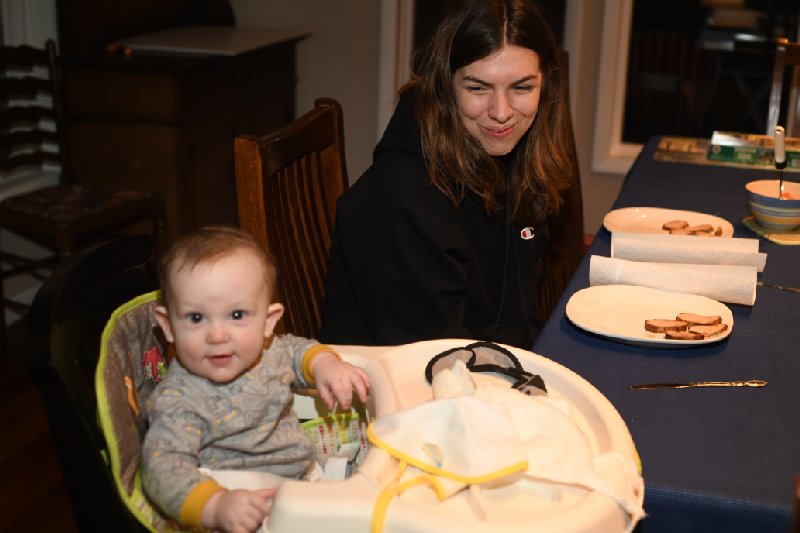
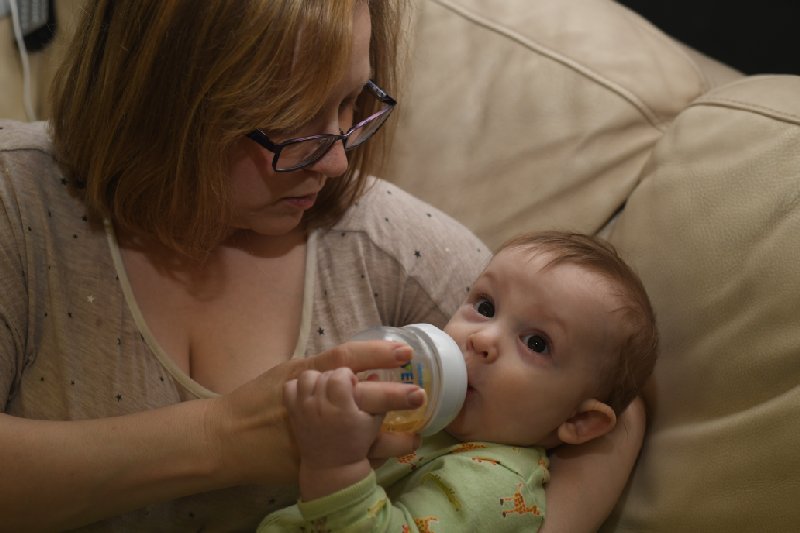
My name is
David Robins:
Christian, lead developer (resume), writer, photographer, runner,
libertarian (voluntaryist),
and student.
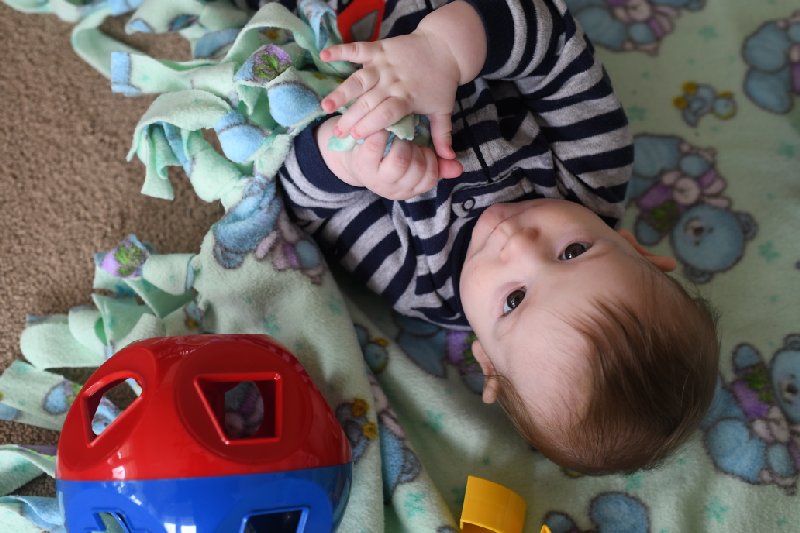
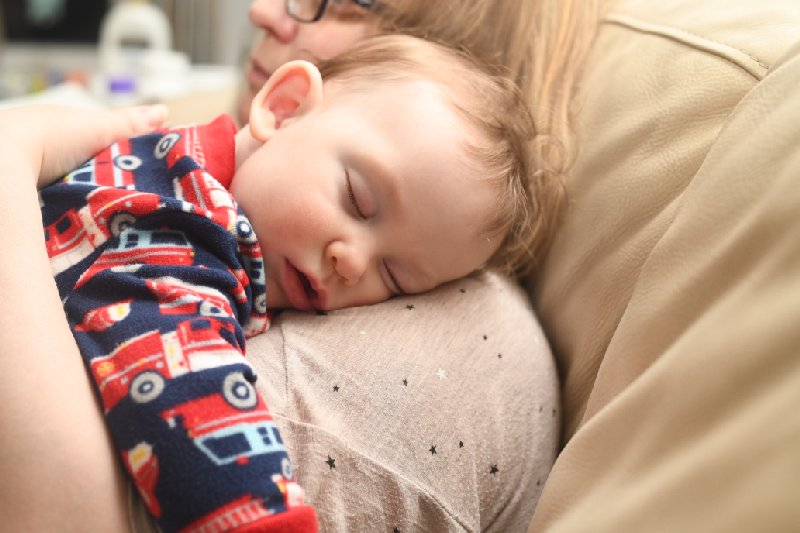
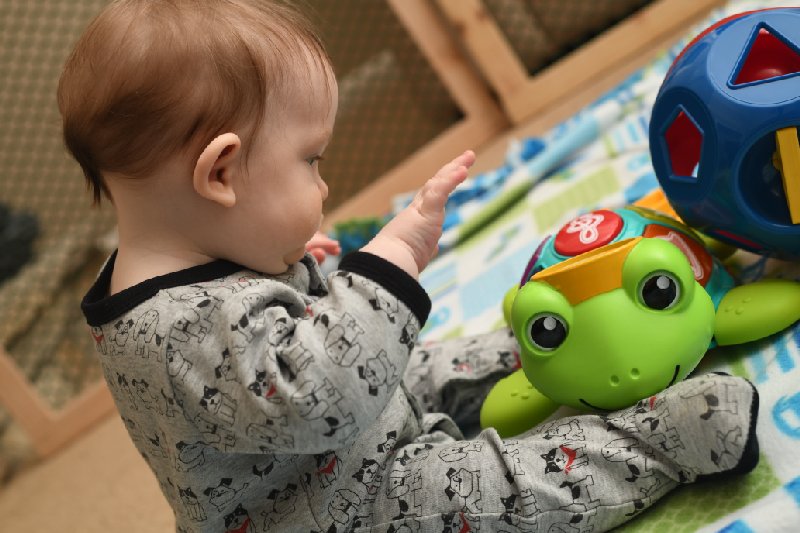
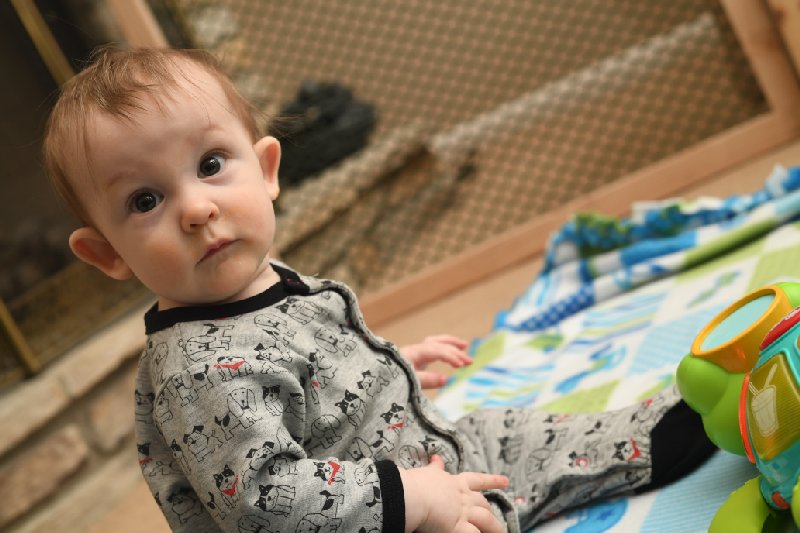
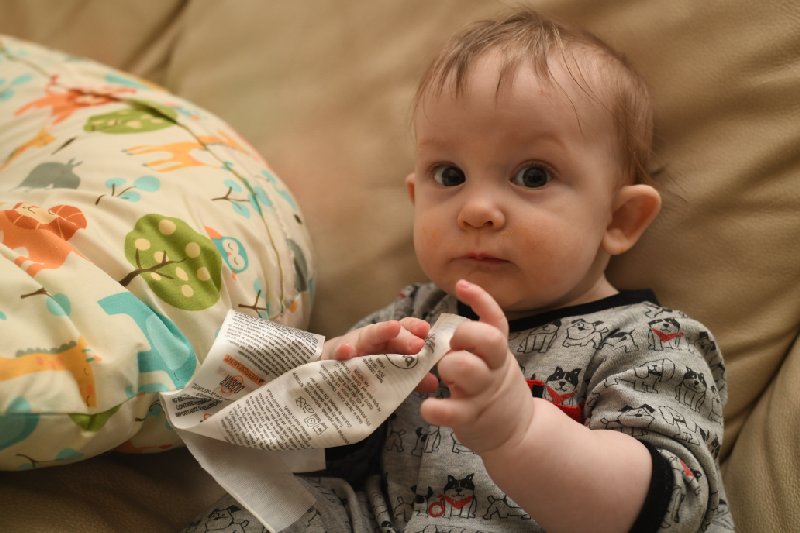
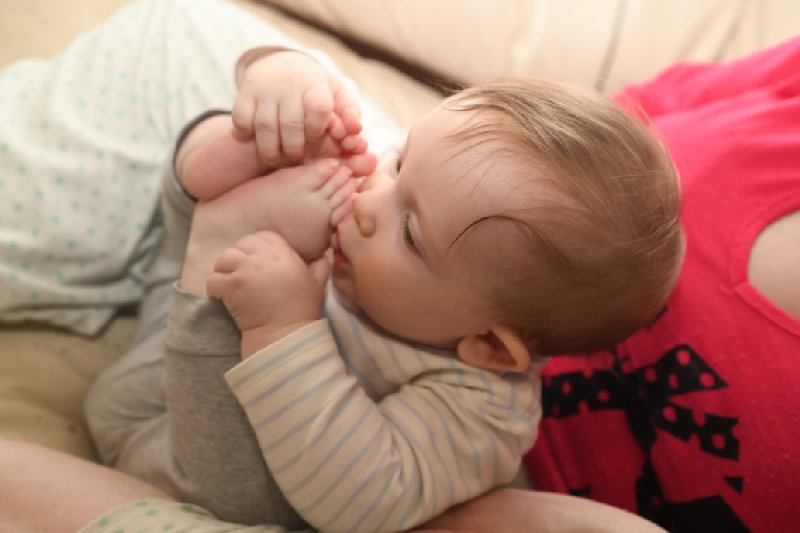
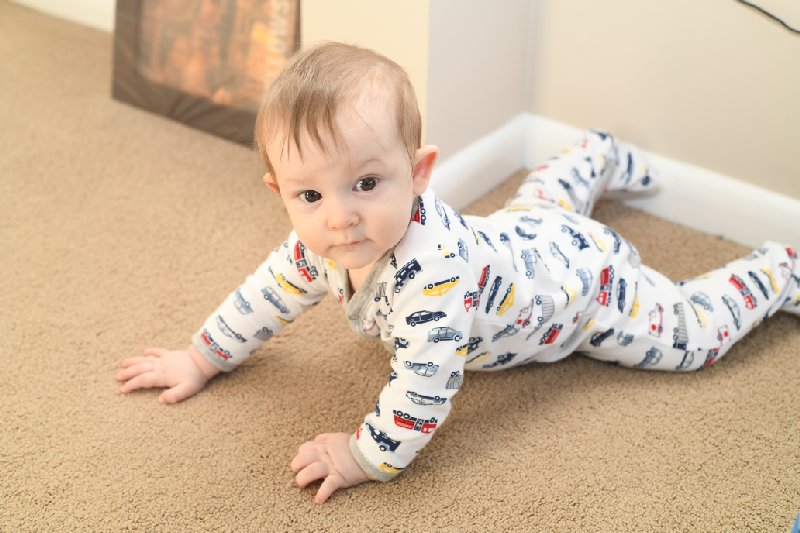
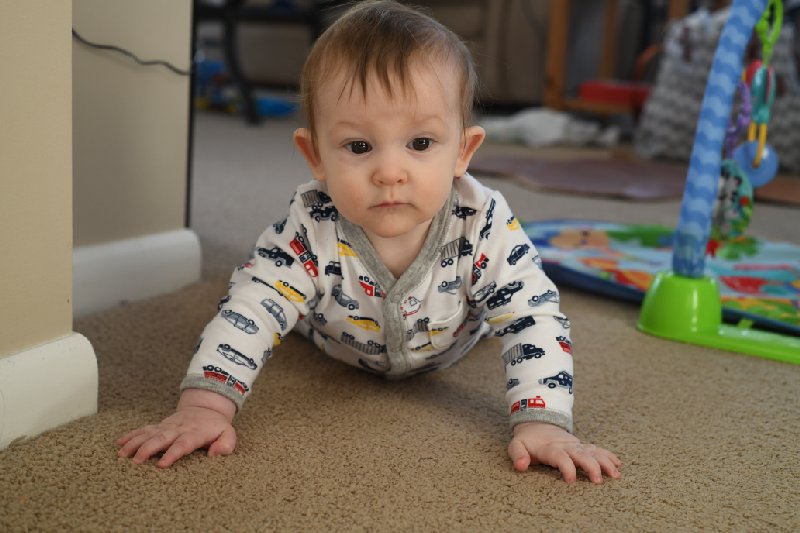
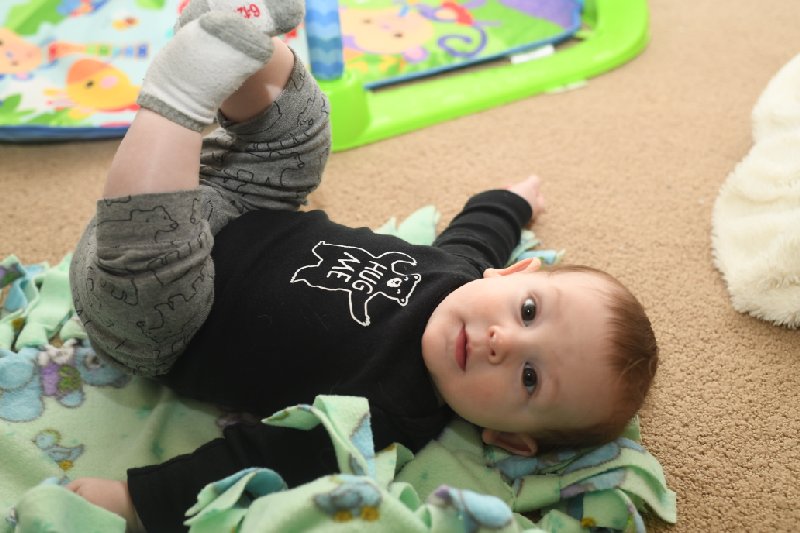
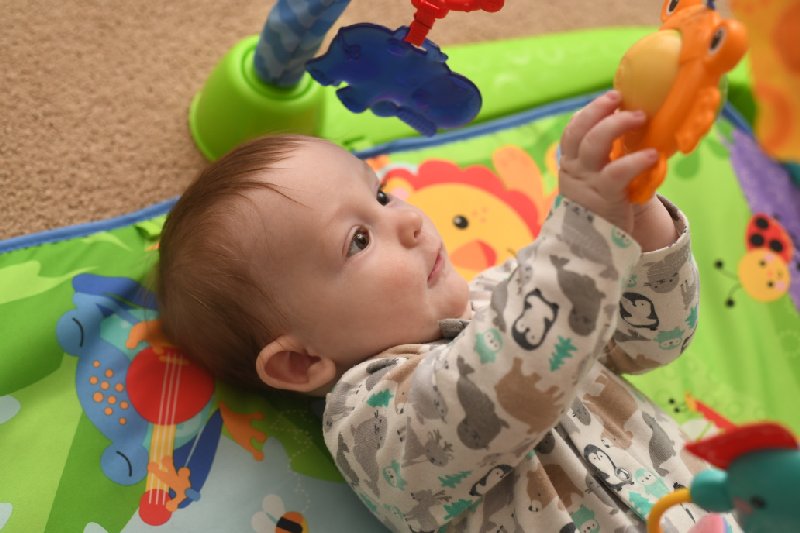
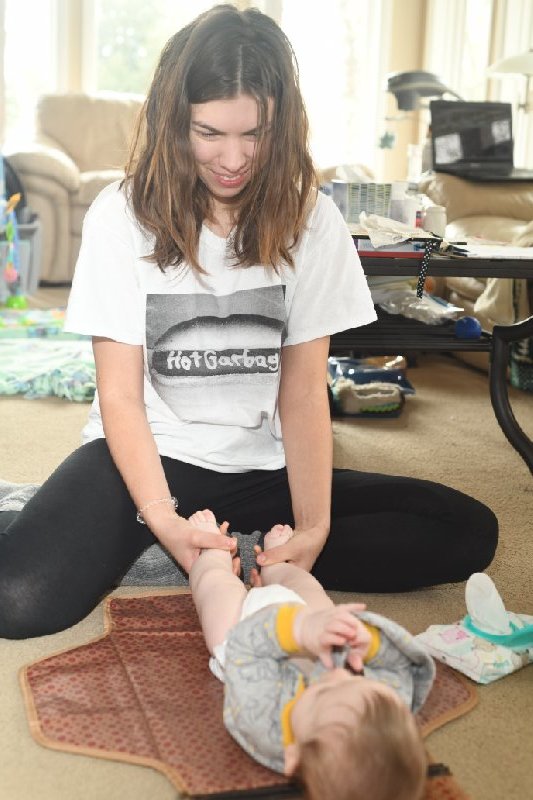
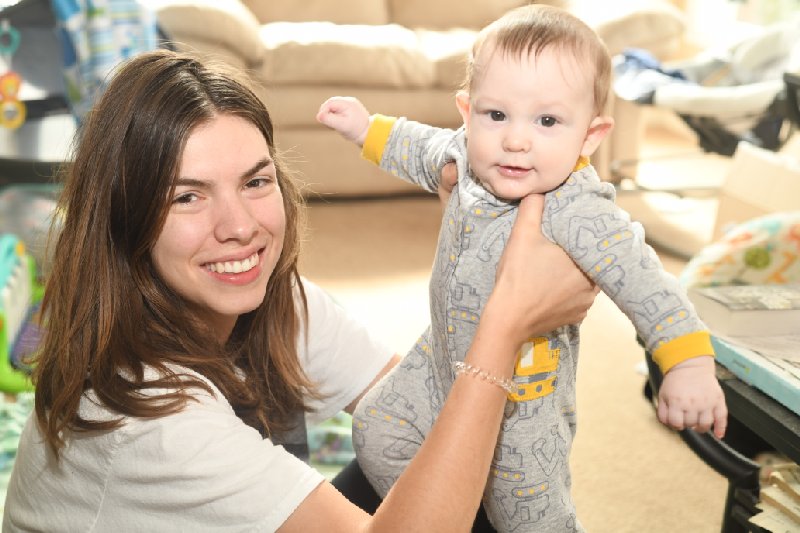
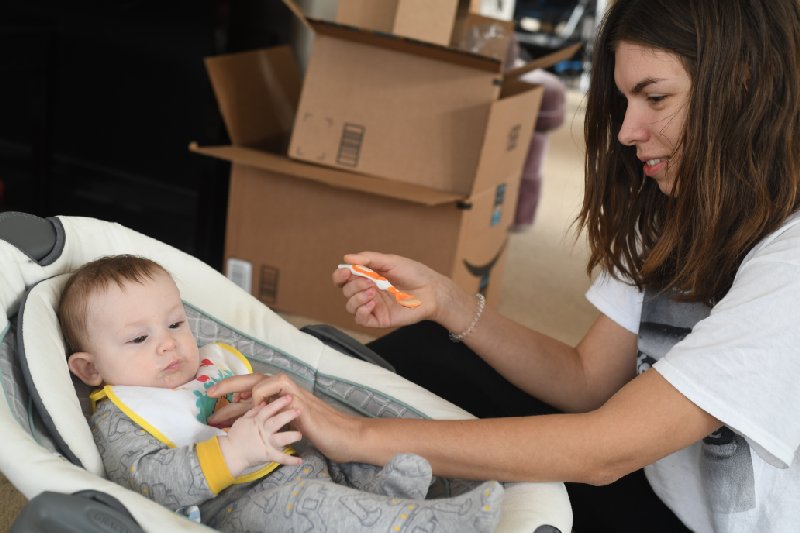
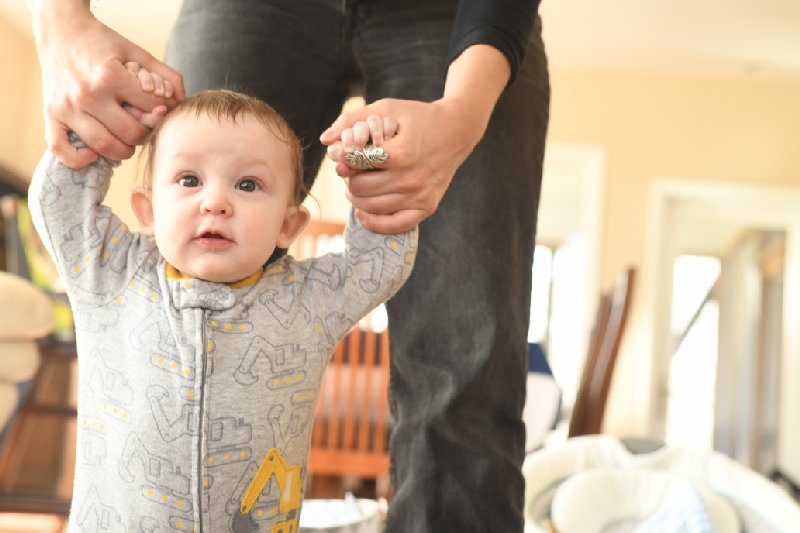
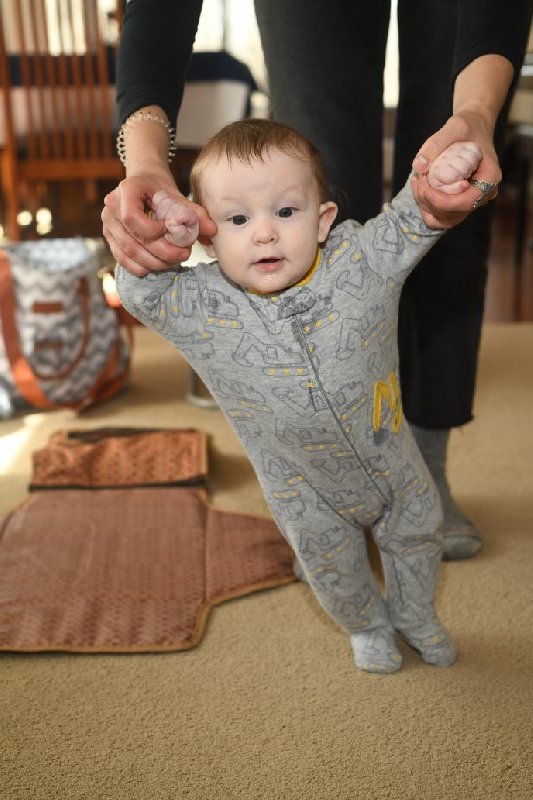
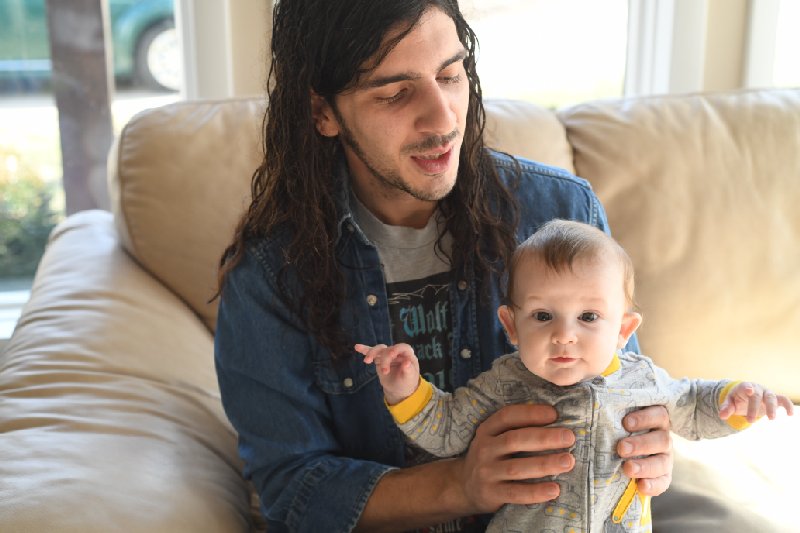
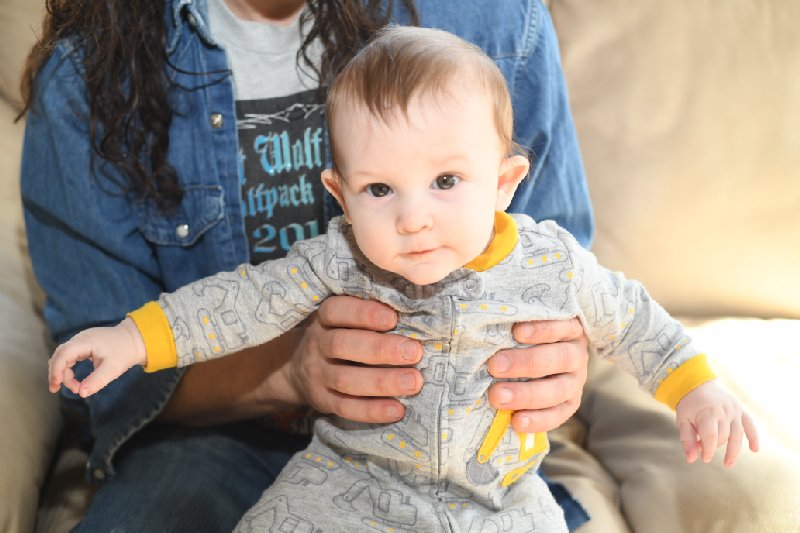
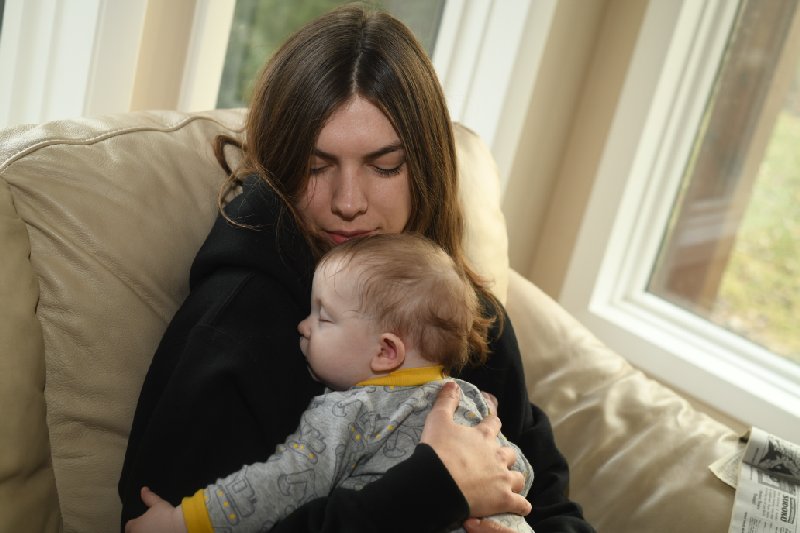
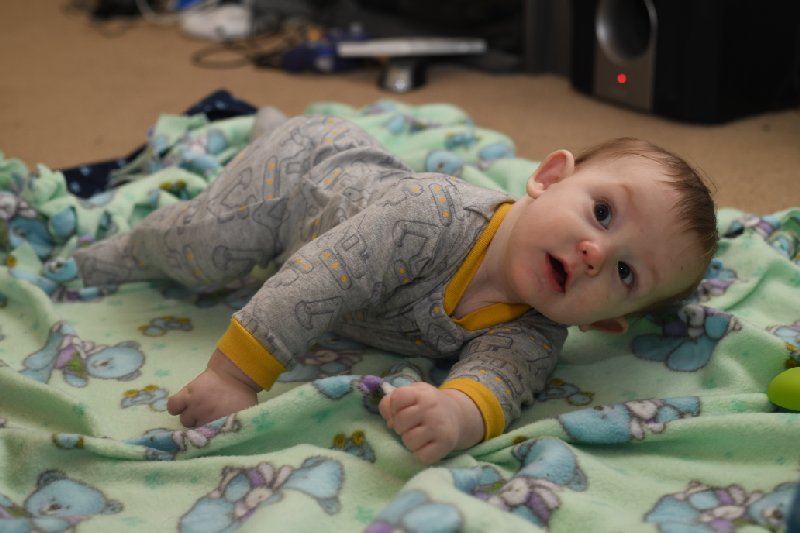
This is also my son David Geoffrey Robins' site.
David is coming home!
News ·Tuesday April 30, 2024 @ 13:00 EDT (link)
David has been allowed to come home to Indiana for my graduation—finally, after six years! I found out that it had been approved by the court while I was driving to WV last Thursday (April 25), by email, as I had requested in my motion filed Monday (April 22), if granted, which was good time; the Guardian ad litem also responded requesting the motion be granted, which surely helped.
For this trip I will be doing all the driving (as I have practically the whole time since David was taken, except for a very few meetings in Rio Grande, Ohio): twelve hours Thursday (six there, with some breaks to sleep at rest areas, and then turn around and six back, with at least a stop for dinner).
Fortunately, David doesn't have school Friday, so we have the day to explore the house and play outside and in. My mother and aunt and uncle (her siblings) are also arriving Friday evening. Saturday of course we'll be heading to Bloomington for graduation (3:00 – 5:00 p.m. at the Indiana University Auditorium). Sunday we'll go to Harvest Bible Chapel's first service, and then about mid-afternoon we have to head to WV, starting my regular scheduled week of seeing David in WV.
I've been preparing the house for David, setting up some things in his room (although he'll sleep upstairs, he doesn't like to sleep alone yet), and the same NES emulator on the TV as I've been bringing with me on the Raspberry Pi media machine, and beds for the other guests, and doing some mowing and spraying weeds. David will be able to ride the tractor with me, and in the wagon, which I'm sure he'll love, and we'll go explore the woods to the river, and play in the thus-far neglected playhouse out back.
Graduation and after
News, Work, School ·Friday April 19, 2024 @ 13:10 EDT (link)
My last day of classes for my JD at Indiana University Maurer School of Law (Bloomington, IN) was on Wednesday, April 17. No more getting up at 0600 or earlier Mondays to drive to school! I have only one exam—my other classes were writing or performance classes—Cybersecurity Law, next Wednesday. After that, the requirements of my degree will be complete and graduation is on Saturday, May 4th (yes, may the fourth be with you…).
I've also submitted my application to the Indiana bar and expect to write the exam at the end of July. Given the need to travel so much to see David currently, I don't think I will be able to practice because I haven't seen any remote legal jobs, but I will never be more prepared to write the exam. There are, however, remote engineering jobs, and my best option compatible with David's best interest in having a present father would be to seek out those jobs, as I have begun (happily) doing (because I love software engineering). It would be great to find an engineering job that also leveraged skills from my JD, such as cybersecurity. I should note, because my last post said I could only see David on holidays, that since second semester in 2L (second year), I've only had classes from Monday to Wednesday and have therefore been able to see David every other week Thursday through Sunday—but I have had to travel the 400 miles each way to where he's kept; he still hasn't been allowed to come home over all these years.
Lately David and I have been playing some old original Nintendo (NES) games on the Raspberry Pi I bring for us to watch movies on; we've tried a bunch besides Super Mario Bros., and he likes Blue Shadow (apparently Shadow of the Ninja in the US), Castlevania, Bonk's Adventure, and Bubble Bobble, of the ones we've tried (working through the collection alphabetically). We still like to spend a good amount of time outside—playing soccer, basketball, throwing rocks in the river, and on our traditional (2-4 mile) hike on the last day I'm there (a Sunday with school, but will be Saturday after I'm back to full weeks). I am hoping some of the apparent biases against me (for being a father, for being from out of town—small town insularity has been a significant issue, and being pro se) relax a little and David gets to come home, first for my graduation and then for all or most of the summer. But we have hoped for him to come home for a long time and been disappointed.
For most of my life I've been working full time every day in a very predictable course; and now I don't have that, and it is tough not knowing, and having to trust that God will work things out for good, as he has promised. I have hoped for a long time that our family will be restored, and if you pray, pray that God does that great work and changes my wife's heart.
Home to Daddy and law school
News, School ·Friday September 17, 2021 @ 23:28 EDT (link)
I will note a couple things for those who find themselves here (hi!):
Please visit Home to Daddy (and like the Facebook page), which I've updated with pictures of my son from when I was able to see him in West Virginia (he hasn't been able to come home) until August 2021.
I started law school this year. It is amazing; but it's also on-site (Indiana University Bloomington Maurer School of Law). Long-term I hope to use my JD to, among other things, help children and parents in similar difficult situations. Because David can't come home yet, I can only see him on holidays.
Thank you!
Family tragedy: Honey runs off with our son
News, Baby ·Tuesday January 8, 2019 @ 18:00 EST (link)
In March 2018, my wife Honey left with our then 7-month-old son David Geoffrey. I still don't know why she did it, and despite all efforts to reconcile, including many hours on the road and days lived at campsites and hotels (with a very accommodating employer), she filed for divorce in November once she had been away long enough to secure the legal advantages she needed. She has refused counseling, either Christian or secular, and is living with her parents, six hours away from home.
What I need from my friends is love, support, and help. For those who also know Honey, especially those who are Christians, please encourage her to stop this and go to counseling and consider reconciliation, and your prayers are appreciated—that she will repent of this and not destroy our family.
As hard as this time has been, it has brought me closer to God and he has brought amazing new people into my life, and the support of family and friends who knew about the situation has been tremendous. If she does go through with it, pray that our son is not harmed by it all, for wisdom for my lawyers, that I can learn why she did this, and that David can be brought back home and I would be able to see him again (she won't bring him here and at least for now I can't go there for legal reasons). I miss my family very much.
Emily and Johnny's wedding
News ·Saturday August 25, 2018 @ 21:16 EDT (link)
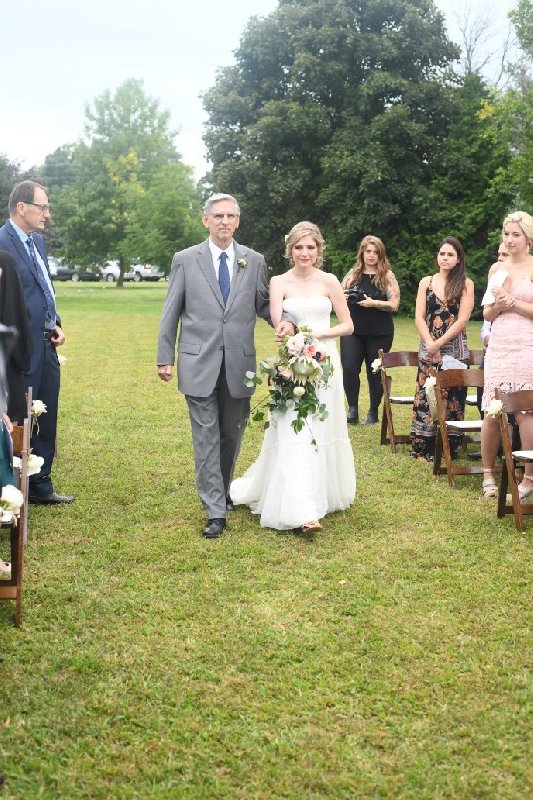
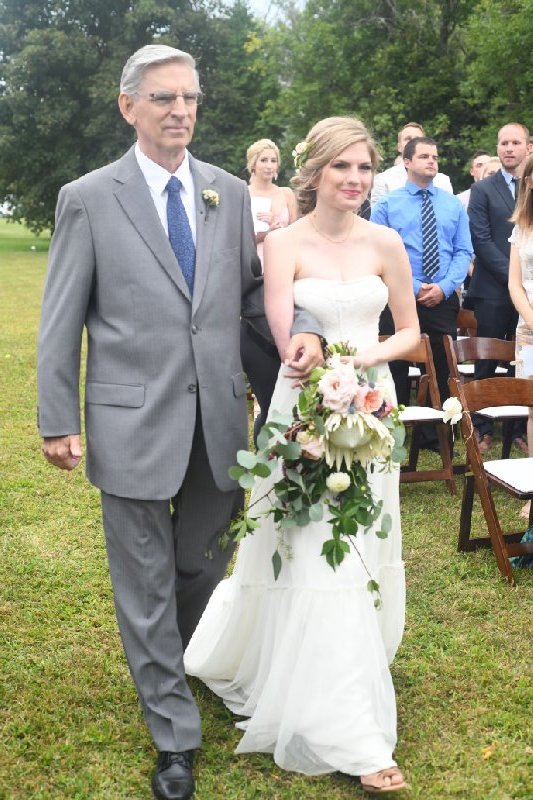
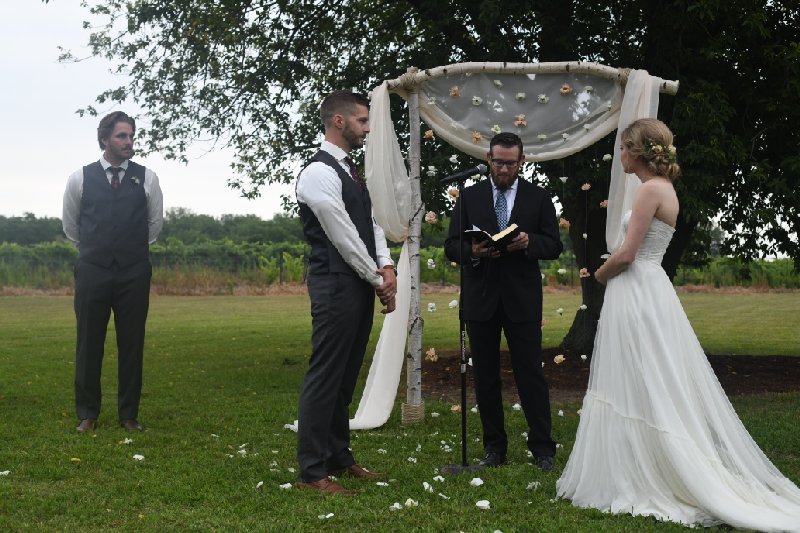
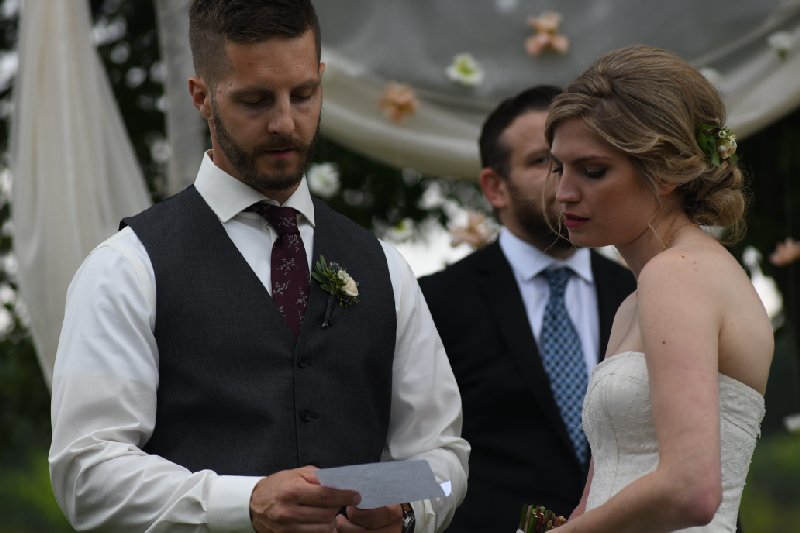
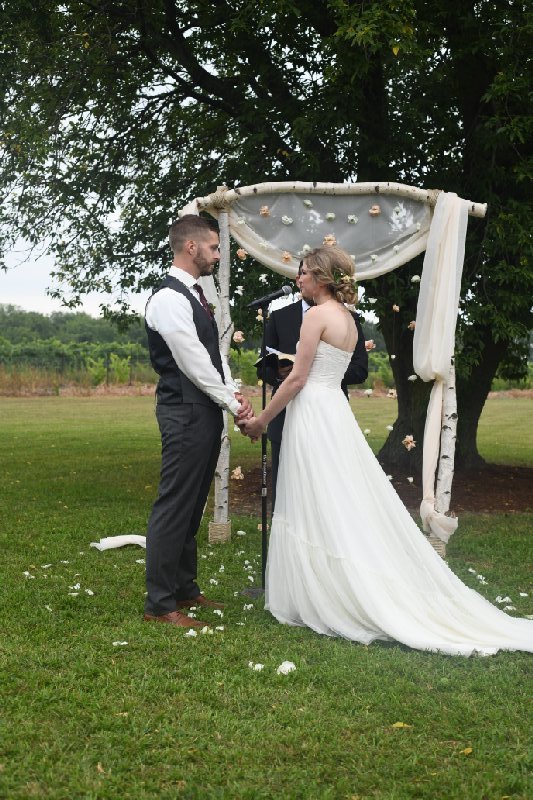
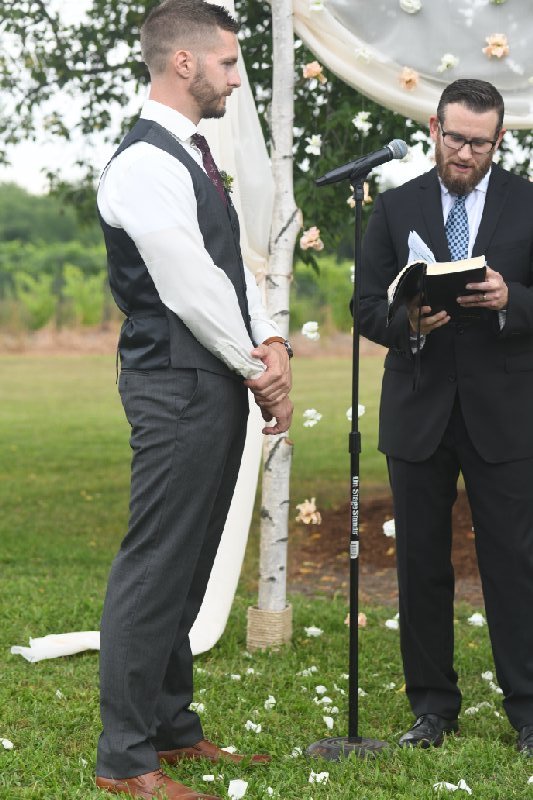
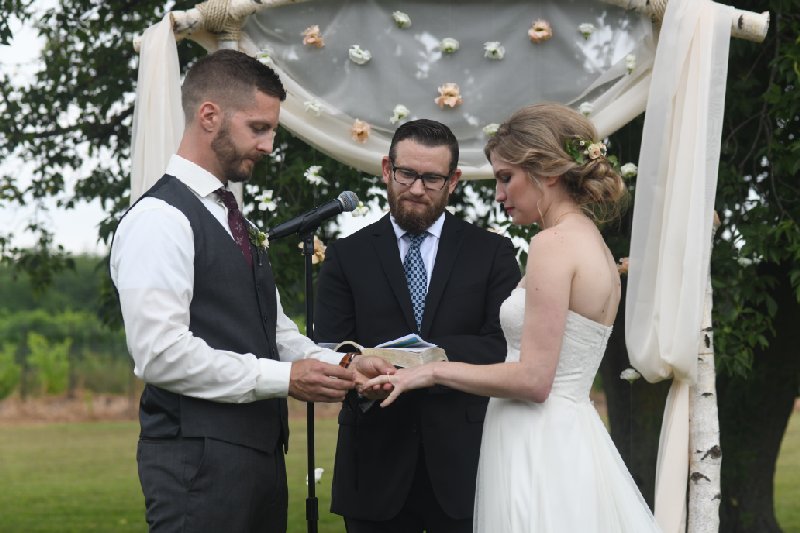
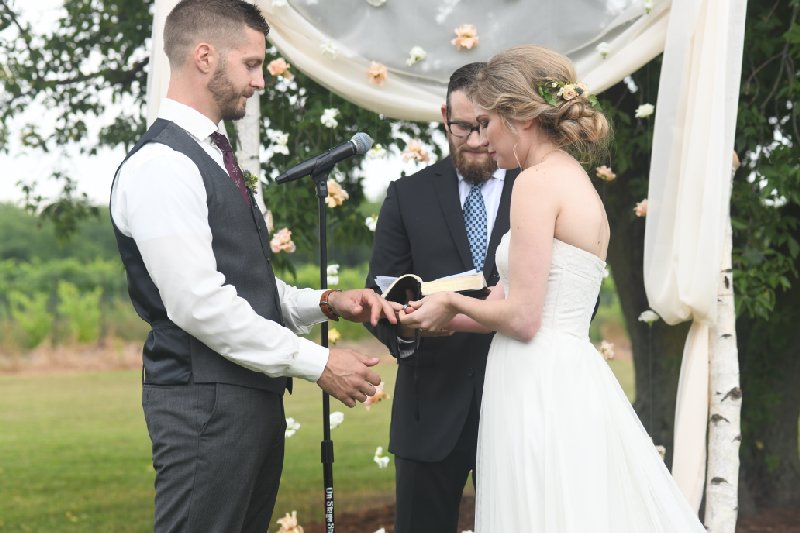
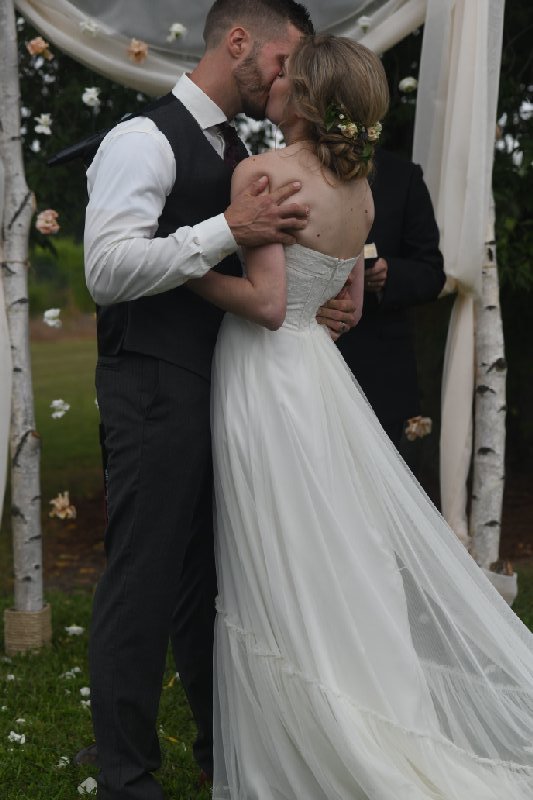
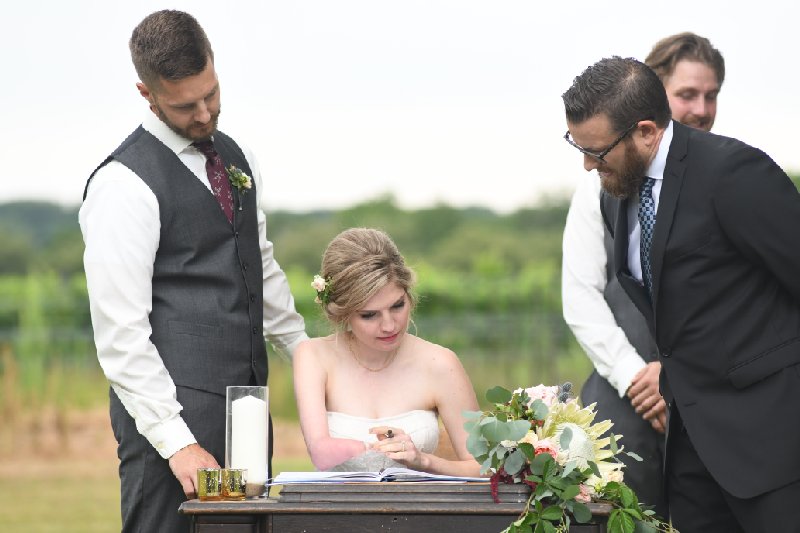
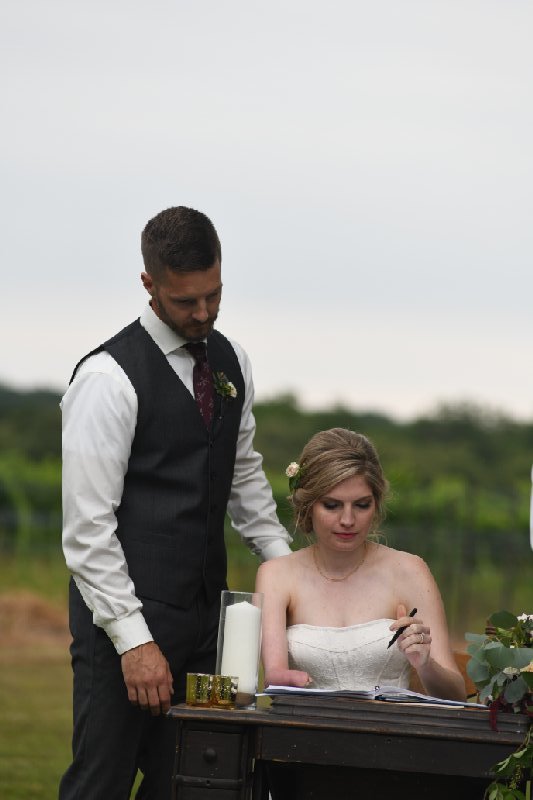
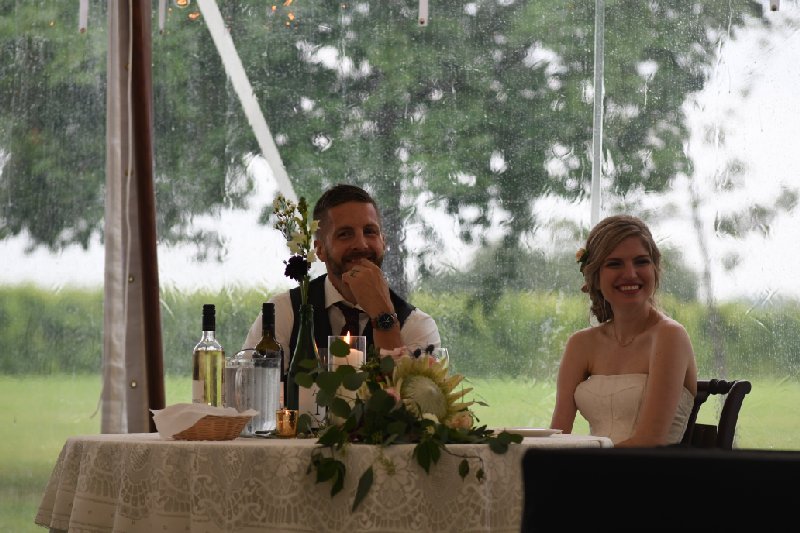
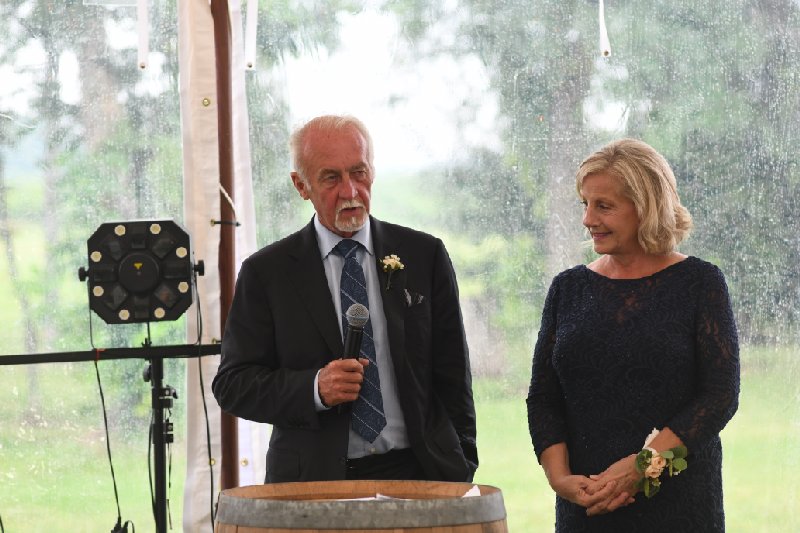
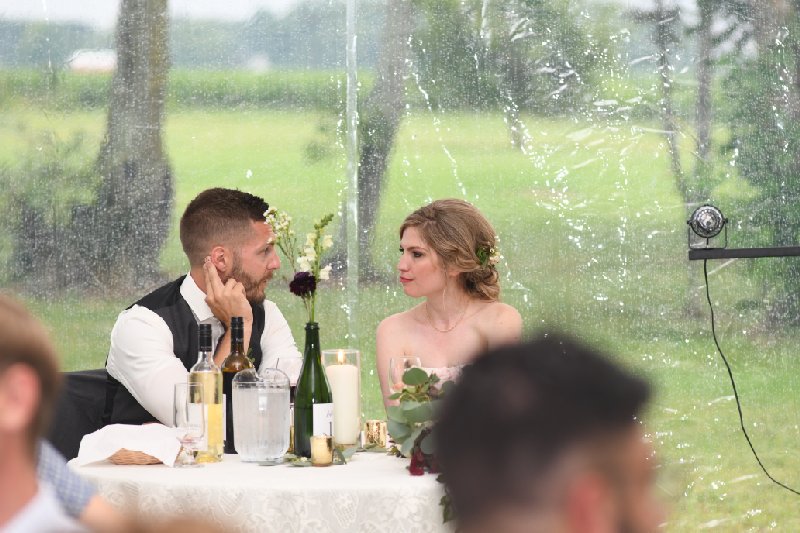
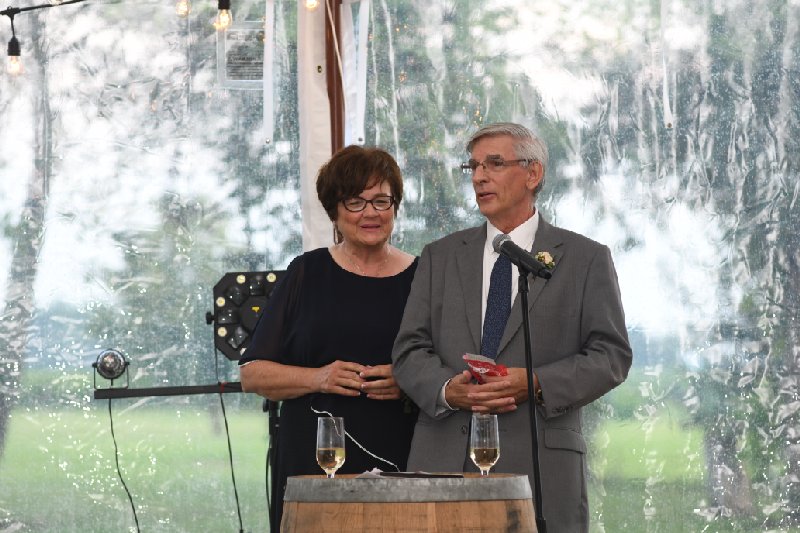
Congratulations to my sister Emily and Johnny Neufeld, married today.
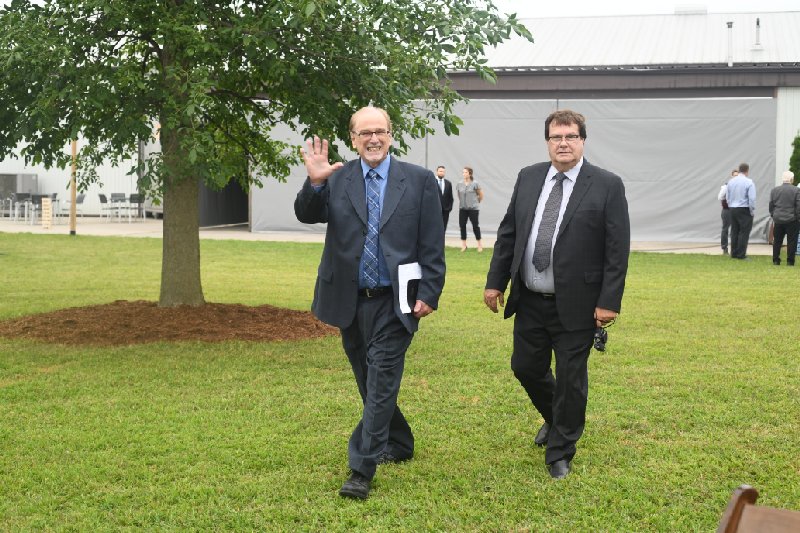
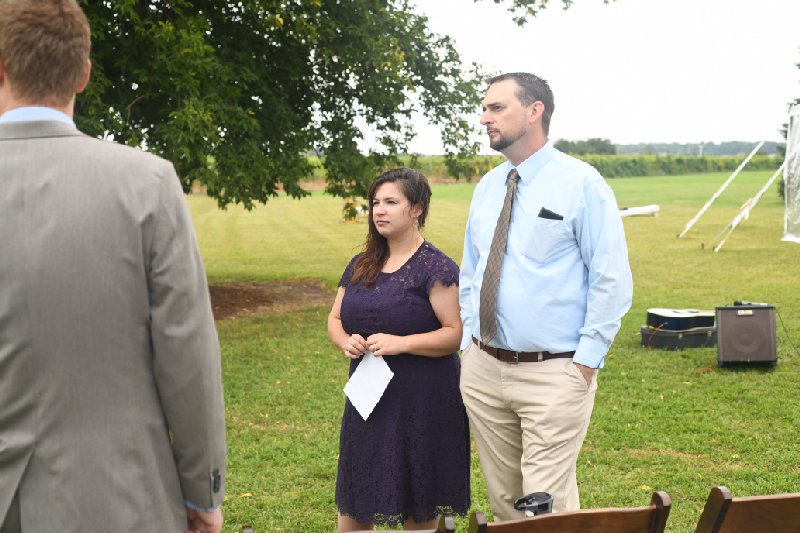
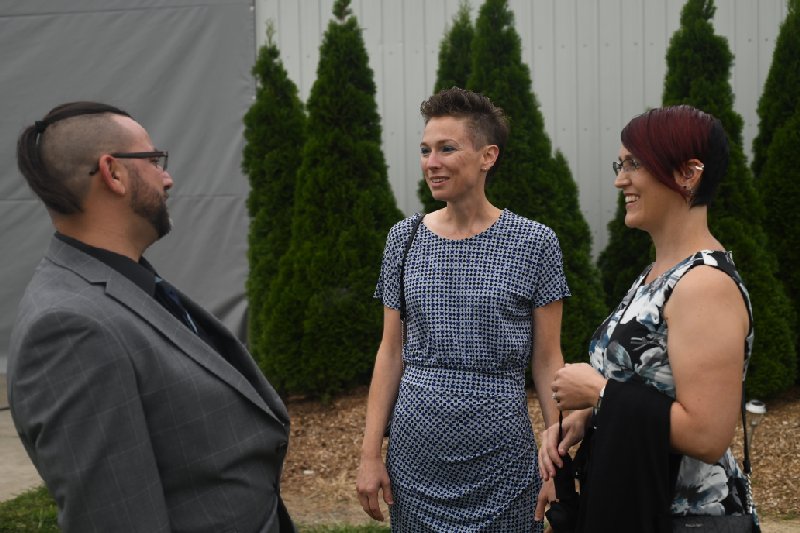
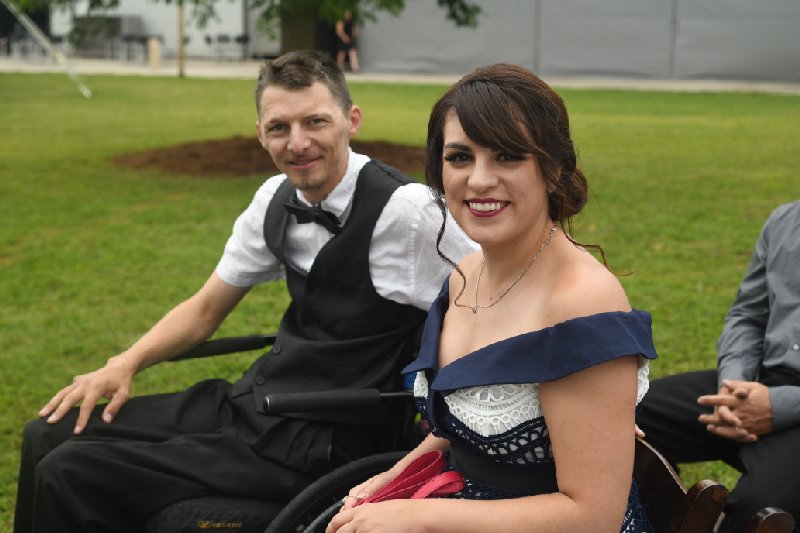
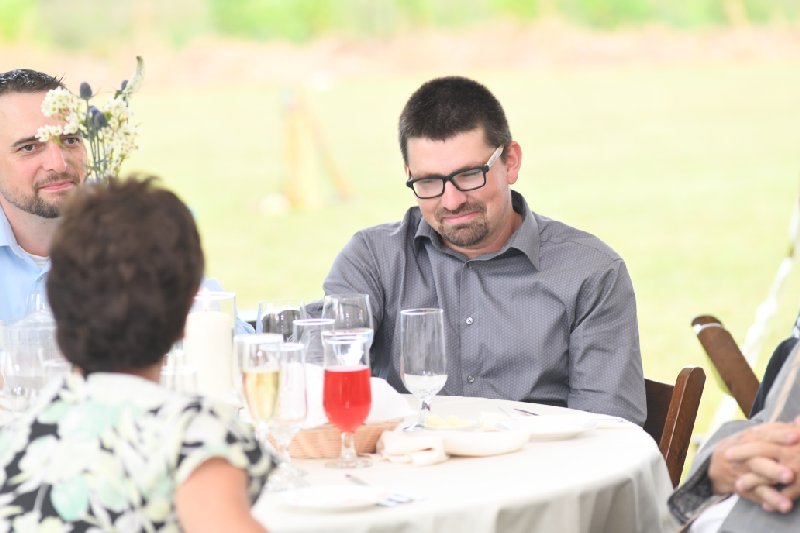
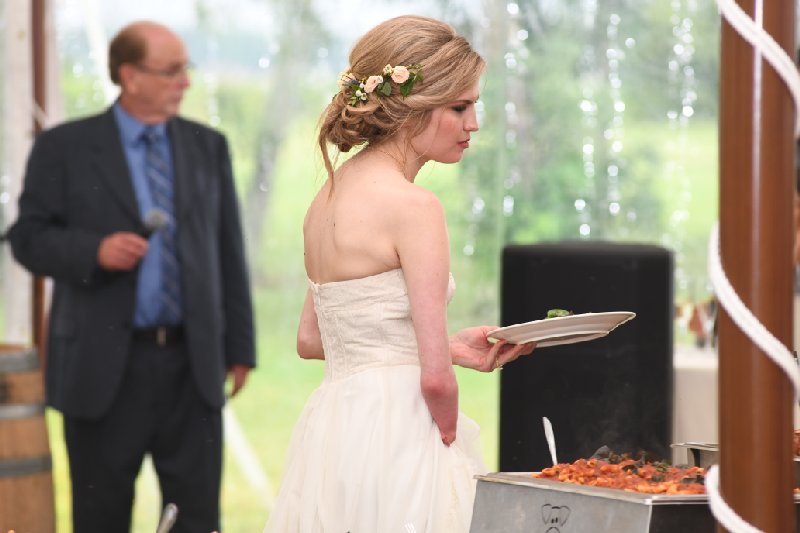
The wedding took place at the beautiful Palatine Hills Estate Winery, which Johnny manages and his parents own. The ceremony was held outside in chairs on the lawn and tents were prepared for cocktails and the reception later. Some photos as people were arriving:
The processional:
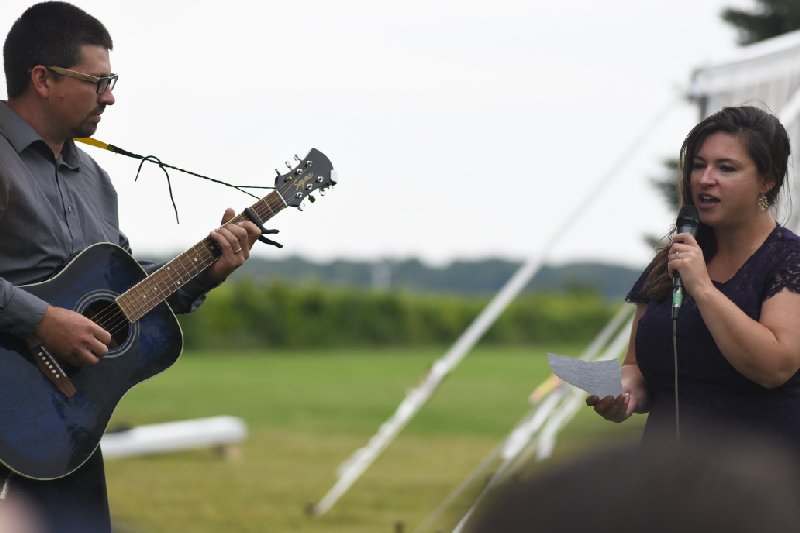
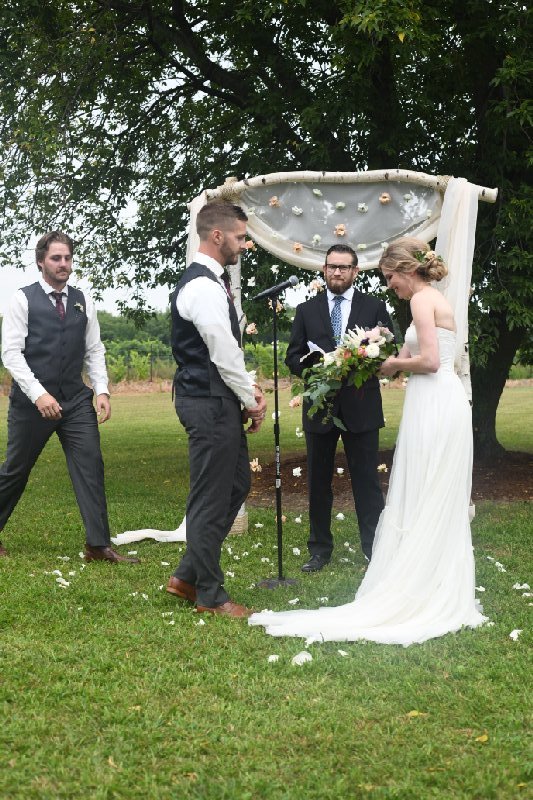
Message, readings, vows, rings, and kiss the bride:
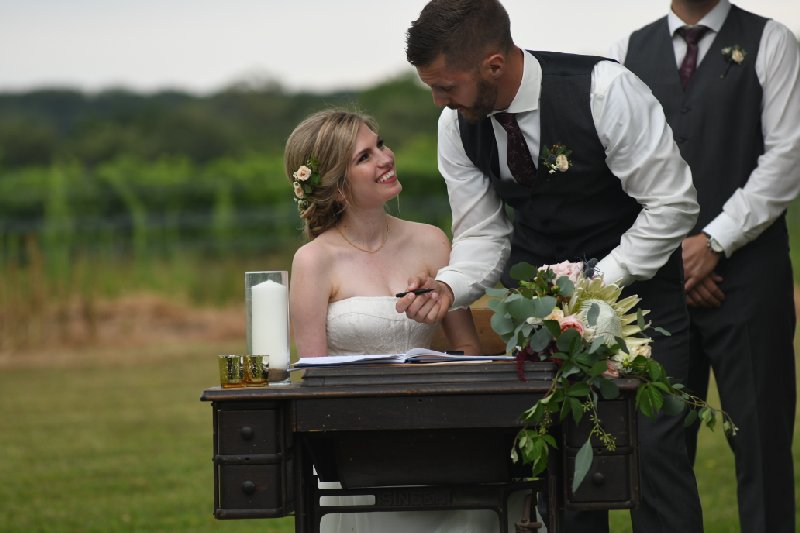
Signing the register and presentation:
The rain held off until the end of the ceremony, whereupon it poured and everyone rushed indoors, and they rushed to close the tent awnings.
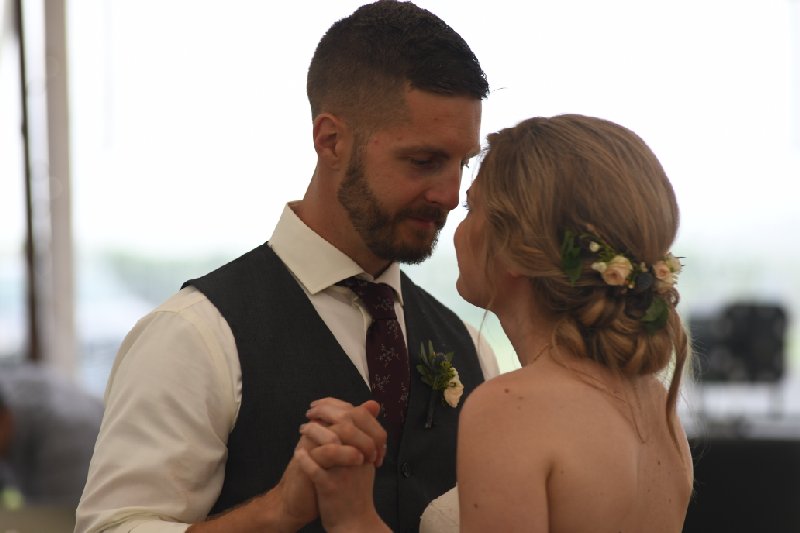
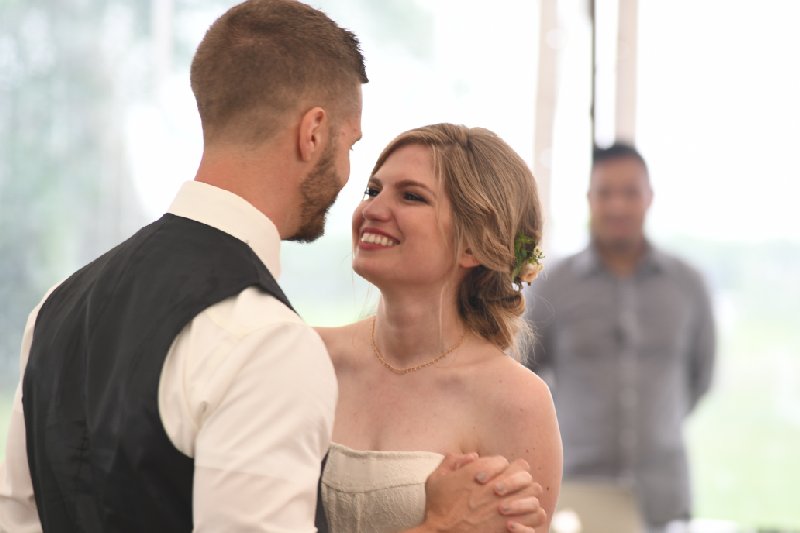
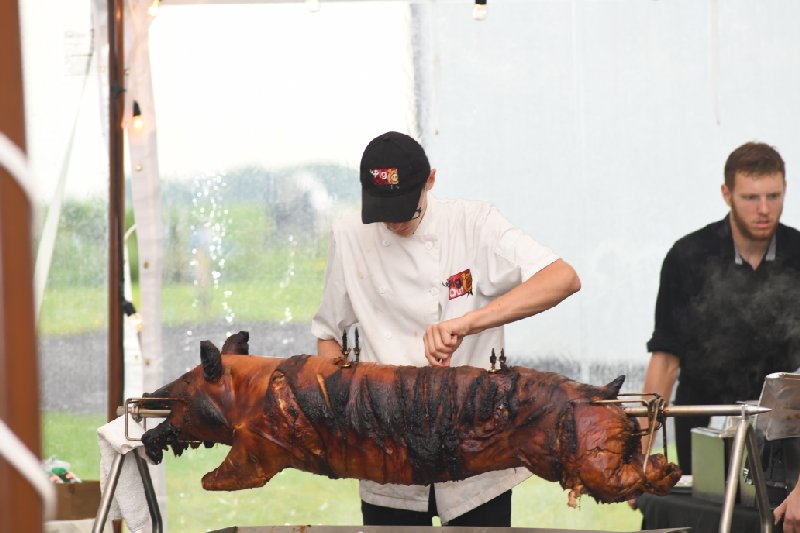
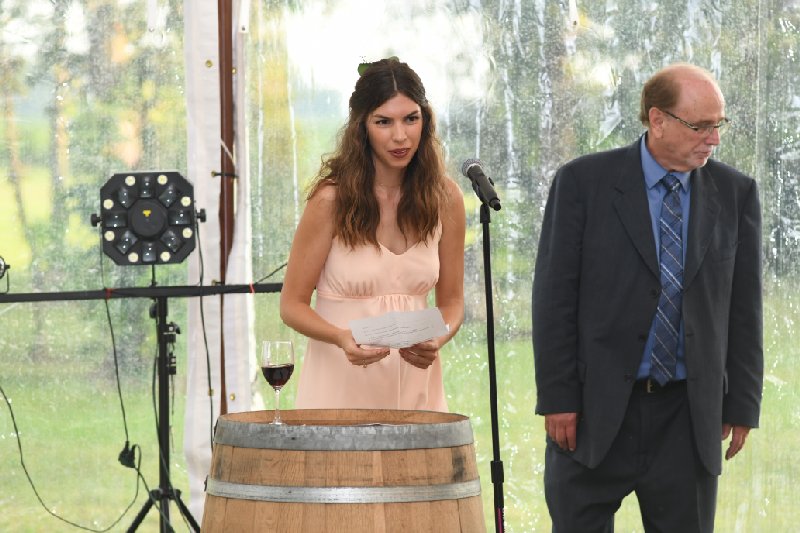
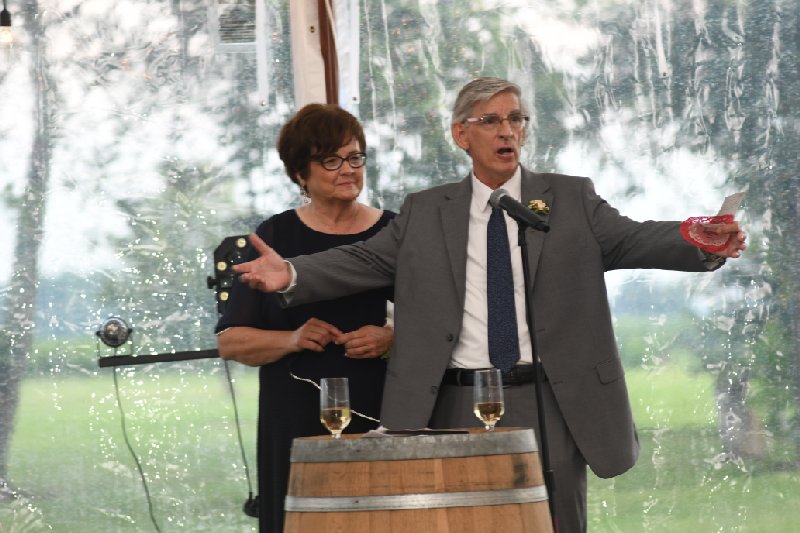
Inside, there was dancing; there was food and drink; there were speeches as the evening progressed.
Hiking the Cliffside Trail at Twin Falls
News ·Sunday August 19, 2018 @ 20:58 EDT (link)
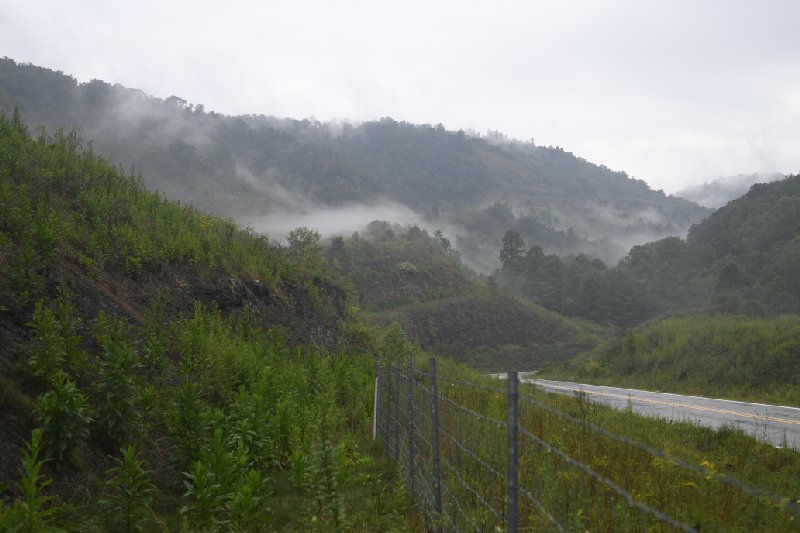
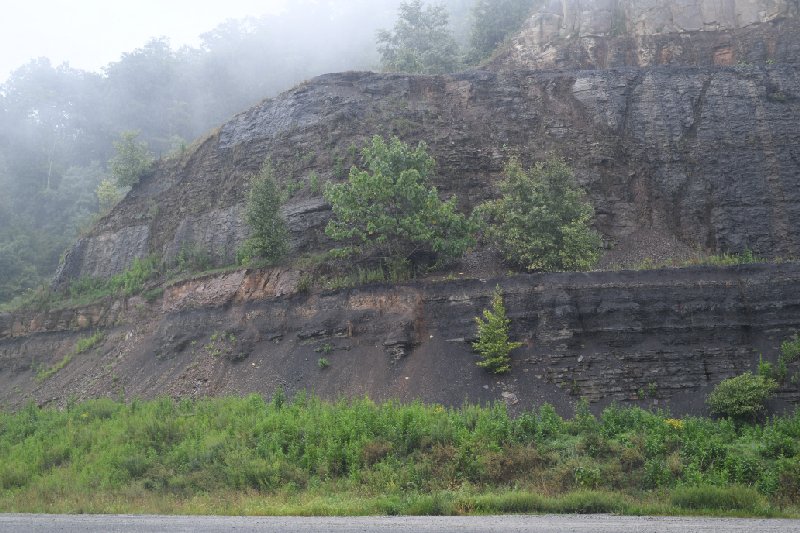
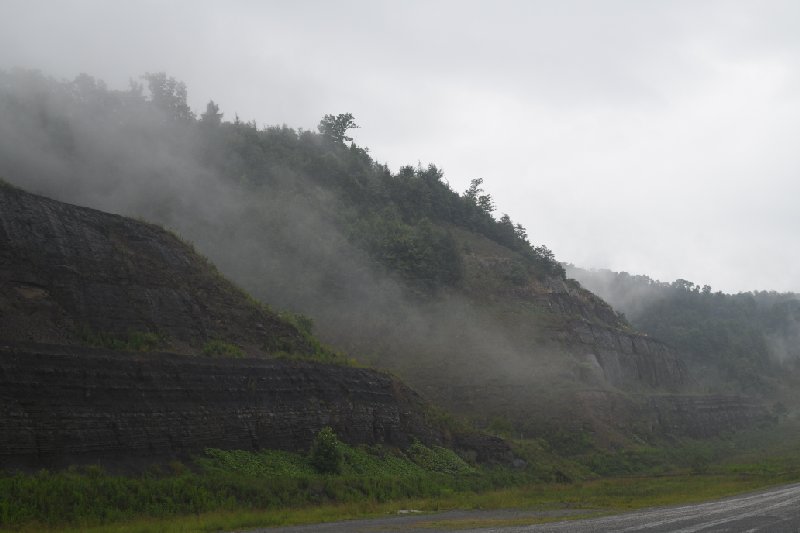
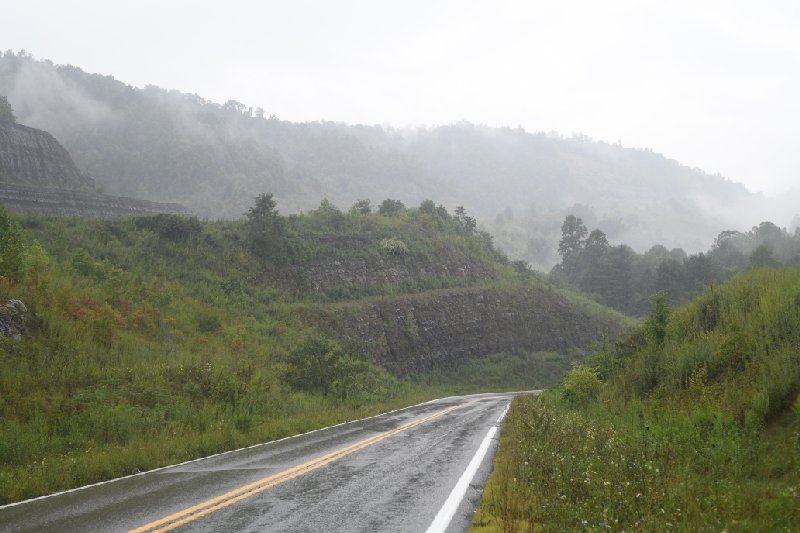
Driving in to WV it was rainy but the mist was beautiful over the mountains, so I stopped between the Coalfields Expressway and Slab Fork to take some pictures in the pouring rain, the first in a while with the Nikon D850 (some cell phone pictures, so I want to add them as postable here soon).
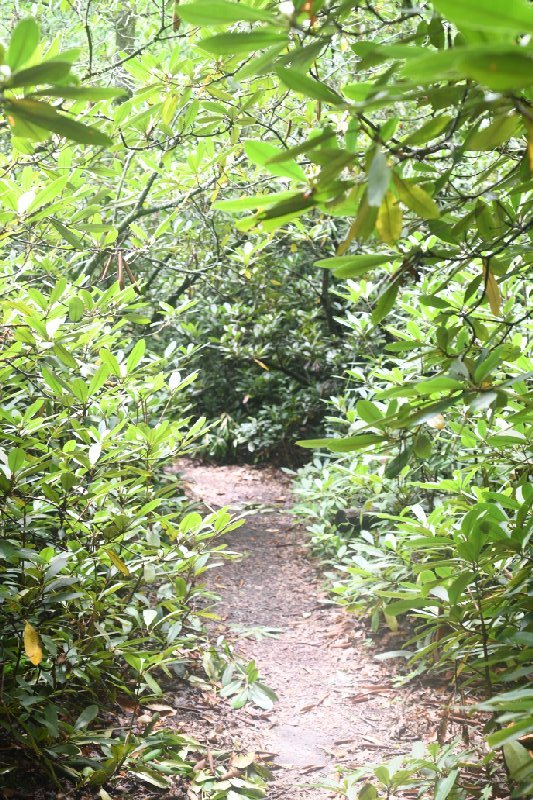
The Cliffside Trail at Twin Falls, a 3-mile loop starting close to the campground (opposite the bathhouse):
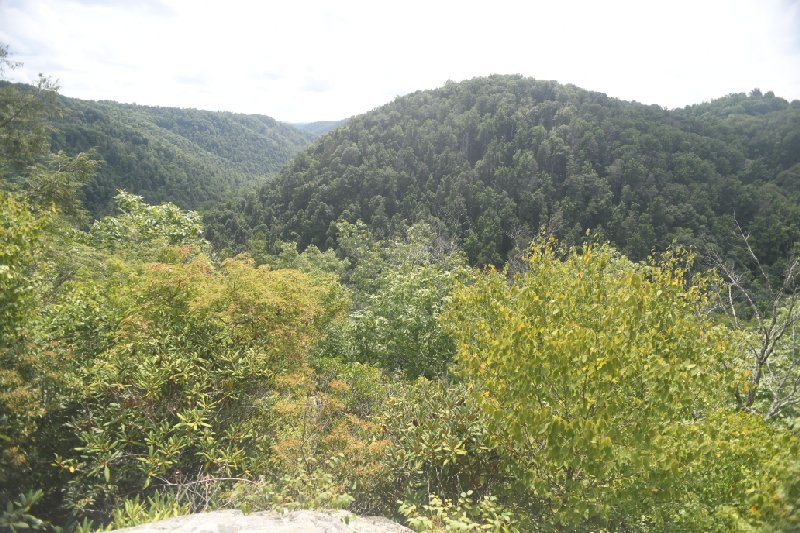
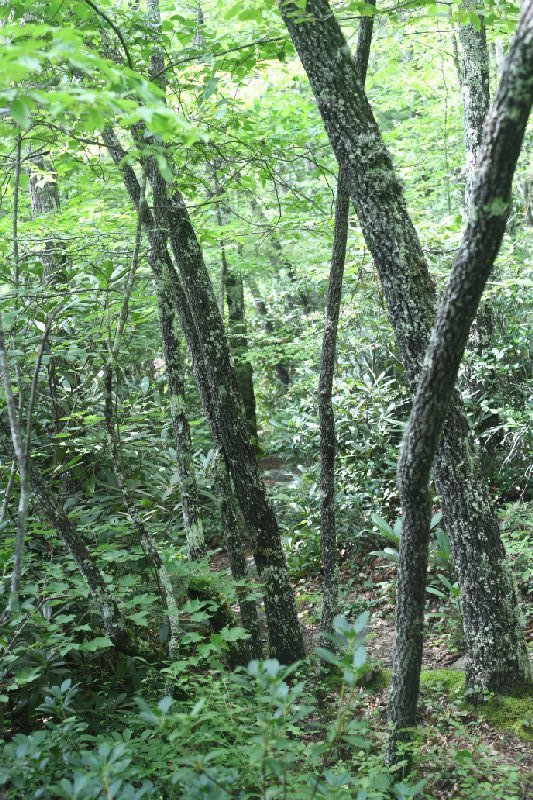
The Rhododendron Tunnel is kind of cool, branches arching overhead in a true tunnel. The cliffs at the end are a nice place to sit and relax, but it's hard to see much between the trees; water can be heard rushing below. Since it had rained, all manner of fungi were on display.
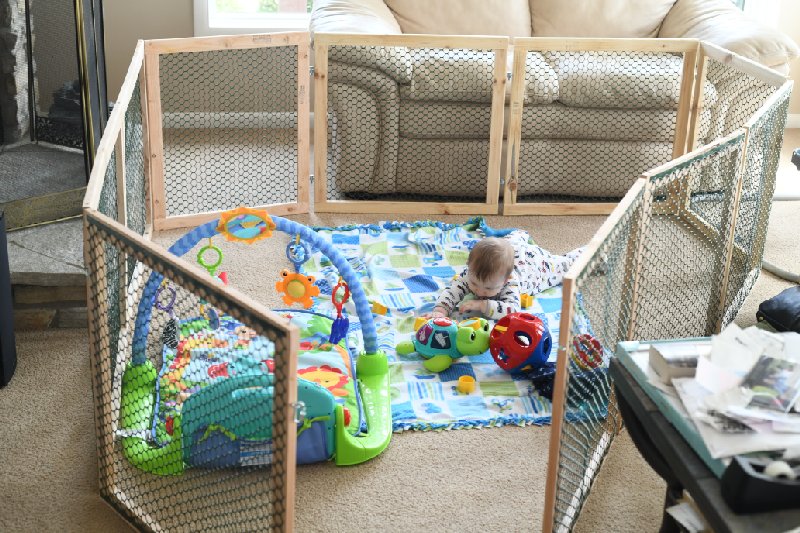
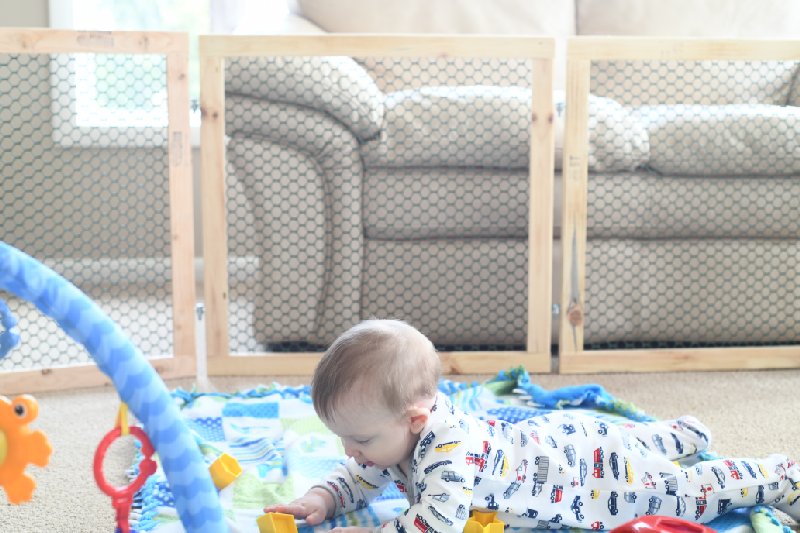
A playpen / baby fence
Baby, Woodworking ·Sunday March 25, 2018 @ 16:18 EDT (link)
Since young David is rapidly becoming (more) mobile, we thought about bringing his small portable playpen/bed down from our bedroom—he'll sometimes sleep in it; he doesn't sleep in his crib in his room yet. But it's somewhat small (as portable gear tends to be) and wouldn't give him much space; hardly enough to turn around. It also wasn't feasible to baby-proof the living room (hard stone fireplace, TV furniture and cables, etc.).
I decided to build him some panels that could be connected together to wall in a play area. I couldn't find plans online, so I experimented a little with some 2x4s I had, and bought some green plastic poultry fence to use as backing. I split a 2x4 both ways on the table saw to make slats at least 22" long, 3/4" thick, and 1.75" wide (minus kerf). Some were wider, depending on the 2x4s I had, to make longer panels, but since my fence was 2' high I stuck with 22" since that was an inner dimension, with 1" overhang top and bottom. Once I was happy with my prototype, it was a lot quicker to set up the saw and Grippers once and do all the cuts of the same type together. I sanded the sides and screwed the panels together with 2 1/4" screws, pre-drilling to avoid splitting, and attached the fencing with a Surebonder 9600B pneumatic stapler that took the same T50 staples I already had for putting up shooting targets (but hadn't used for a while since our range has clips… er, I mean magazines, no, wait, clips is fine). Loved using the air stapler. I put a staple every three links and extras on the corners.
For connecting the panels my initial plan was to use eye bolts and connect them with quick links (a chain link that opens by unscrewing one side), but they held the panels far too loosely and they didn't stand securely. I brainstormed a little; I tried cutting dowels and putting a brad through one end as a stop, but although Home Depot claims to have hardwood dowels the only ones they had in 5/16" were too flimsy to survive a brad even with the compressor dialed way down to 35 psi. I decided to try either hitch pins or bolts, and bought a few of each. The hitch pins were too tight to easily connect, but some 1" 5/16" hex bolts and nuts worked great. To make a gate so Honey can get in/out (can't step over the panels), I did use the quick links for one connection, but I may try carribeaners instead so they can be opened with one hand.
All told I built it for about $3/panel including fasteners.
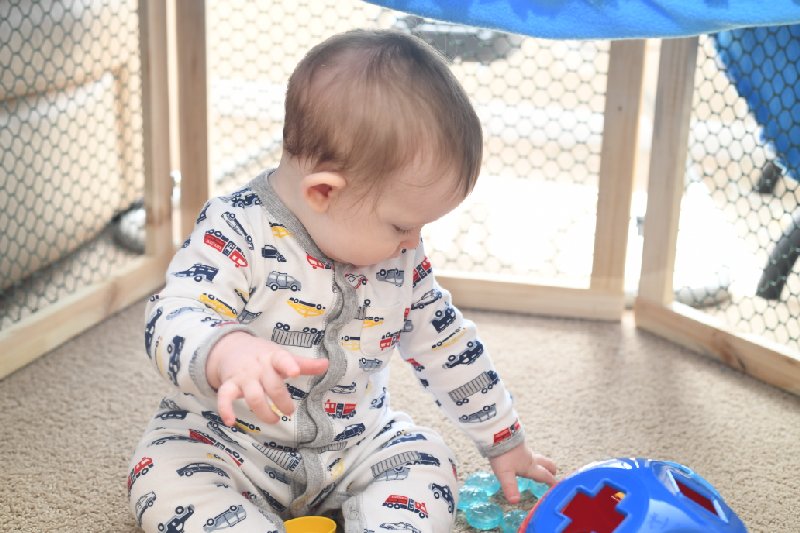
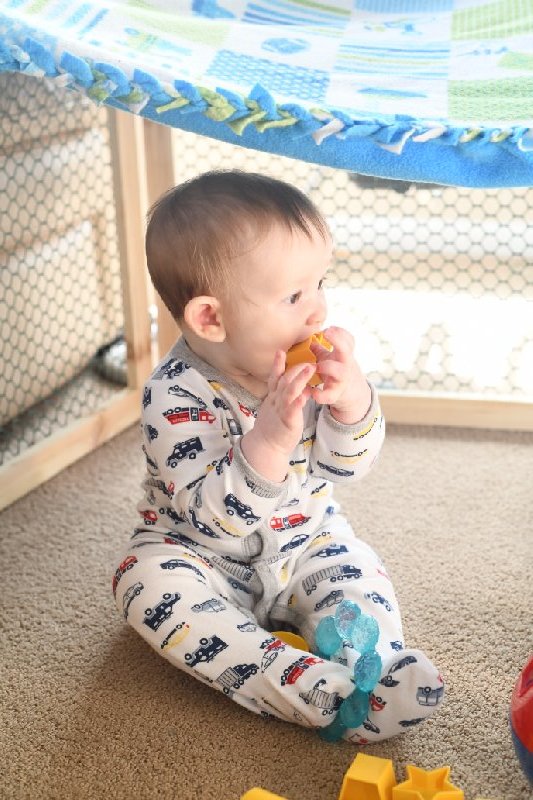
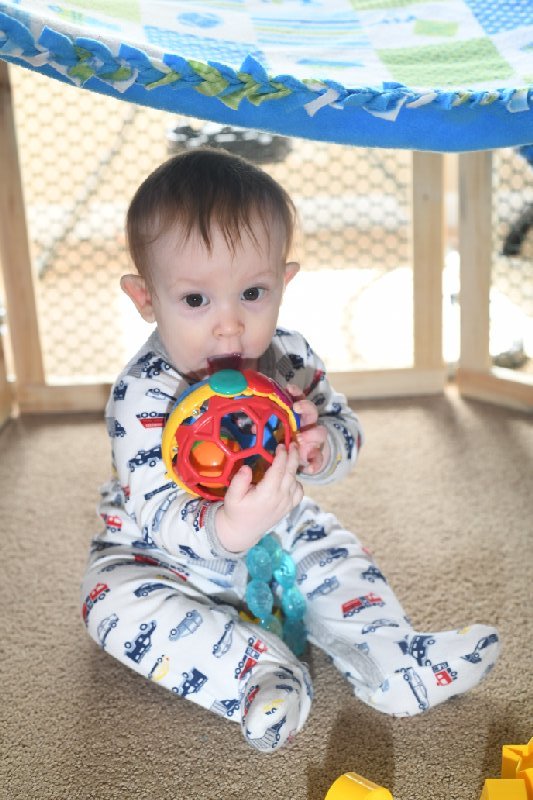
When I got it set up in the living room, I put a blanket (that was inside, but was slippery and made it harder for him to crawl) over one end that is likely to get sun so that David Geoffrey has a covered area in his Babbisiet Fortress. I expect I'll be able to build all sorts of pieces for forts and such for him—tunnels, windows that open, etc., as he gets old enough.
DGR: nearly mobile
News, Baby ·Friday March 23, 2018 @ 15:54 EDT (link)
He can't quite crawl yet but he can rotate himself around on the floor, push himself backwards, and has sometimes managed to pull himself forwards a little. He's also continually improving his ability to hold himself up in a sitting position (his chair is almost done, coming soon). Partly due to this we've partially moved from feeding him in his bouncy seat to the highchair (a gift from Cheryl and Dave). He's also moved up to a new carseat: he was getting tall for the other one, nearly above the highest set of shoulder harness attachments. Since he can roll front to back and back to front, he usually sleeps on his front now, and for longer periods than he did on his back. And several teeth are trying to push through.
When we go to the store he sits in a cart cover in the cart basket (it has some attached crinkly toys, which he loves—his current favorite toy is a Swedish Fish bag, and a toy I sewed him made of a layer of crinkly paper between cotton—and keeps him clean and from sliding around) and smiles at the ladies. His moose hat (from my cousin Anna) is a big hit on these trips.
The digital photo frame frame
News, Woodworking ·Wednesday March 7, 2018 @ 19:36 EST (link)
I've mentioned the photo frame before, but not shown any pictures thus far. The "frame" is a Raspberry Pi with an LCD screen, but alone it doesn't look great and doesn't stand up well (needs to be leaned). I made an elementary stand for the Hedricks to hold it straight and route the power cord out of the way, but my parents got theirs before the idea of one; in fact I was trying to finish it to send it back with them (and had to finish the wireless auto-updates when we came up in January).
This wood frame around the frame is based on an adjustable tablet stand and photo frame by Steve Ramsey (of Woodworking for Mere Mortals (WWMM)), but with minor changes such as leaving off the lower ledge (since I didn't need a tablet stand). This is essentially (not counting a wooden heart for Honey, also made to test my jigsaw table) the first piece out of my workshop, and it is full of lessons that have improved my technique and will improve the other two frames.
For the most part I'm buying tools as I have a need as part of a project (of which many are lined up). For this particular endeavor, Ramsey's first step in his video is to plane down some 3/4" wood to 1/2" so it wasn't so bulky. I did not go out and buy a planer; I'm not even familiar with the local lumber yards yet, so I picked up a small 1/2" oak project board from Lowe's for a reasonable price (about $6) instead. From it I cut some 1" strips that would become the stiles and rails. I ripped them on the table saw, a DeWalt jobsite saw (if I do enough of this I'll upgrade someday to a hybrid/contractor).
As an aside, the saw is one of the first power tools acquired for the workshop and used even before I had power to it via an extension cord from the garage. In fact, it was in part the occasion for bringing power out there, as using it with a work light on the same extension cord caused the light to dim. I plan to write about it more in depth, but to summarize, I have a proper buried 100 A line to a sub-panel with three 20 A circuits (3 receptacles on the left, 3 on the right, 2 at the back) and a 15 A circuit for a couple 4' LED lights in the main shop, a 7" round light in the loft, and a motion light outside. I installed everything except for the buried cable, which I hired someone to do and was done very poorly and required a lot of work to fix (missing ground rod, unusable panel, open neutral, leaky wall, that sort of thing). I eventually straightened it out and it's great to have working power and light, enough to run dust collection and the saw or a heater, etc. at the same time. The first shop project I built was a cross-cut sled.
Ripping such small strips on a table saw didn't feel safe, and as a fan of WWMM I was well aware of Microjig's Grr-ripper (a sponsor humorously introduced at the start of most of his videos) and I purchased a couple of them. A push stick can't simultaneously push down, forward, and hold both pieces toward the fence without pinching, and the Grr-ripper can and did, and although they're a bit pricey ($60) I consider them worthwhile for the added safety. I should mention building this fairly simple frame took me, all told and spread over evenings, about a month; of course now that I know what I know and have the tools I need it should be doable in a couple evenings. I used the table saw's miter gauge to cut miters; it didn't seem worthwhile to build a sled. They were workable but not great, but at least I knew not to try to fix them by removing material at an angle (see), and as I was a little tight anyway (another lesson). In future I'll be checking the angle against the blade with a drafting square. I also cut a strip from the oak board to make a better rail for my cross-cut sled, which was far too loose, and this called for buying a caliper for making accurate measurements. I cut a dado with a router I'd bought for the project (round-overs and rabbets) (table saw doesn't take a dado stack), into which this rail fit perfectly (but when the weather got warmer it required a little sanding and some paste wax to avoid jamming). Then I had to redo the fence.
So… back to the frame. To be able to join the pieces together I had to first drill holes for the threaded rod that would connect to the side supports and star knobs to allow for adjustment. "I just picked them up at the hardware store," he says, but my locals don't carry any and even Amazon is hard up until I find a bag of 10 fairly reasonably, "1/4″", also something about M6, probably an internal model number… nope, it's a metric screw diameter (and "1/4″" is just to get search hits). Finding M6 threaded rod nearby is impossible, but I find some machine screws in the "specialty" bin and cut the heads off with a hacksaw; that works. (In this period I probably bought and returned 50 items to Home Depot, although on net I was probably still worth retaining as a customer.) So, drill a couple test holes in scrap to find out what will make a tight connection—I think 7/64 did it—then put the stiles on the drill press (this I've had a while for a project with gears) (bit low, turns out), then ratchet in the screws to cut threads. Go to glue it up and the glue won't squeeze out: turns out it doesn't like extreme temperatures so it's a big rubber ball; it's late, so head to 24-hour grocer (Meijer) to replace it. Glue, clamp, leave overnight (inside). Turns out decently.
To the router for rabbeting. Fairly new at this; all I've done is (with the fixed base) route a 3/4" dado for the cross-cut sled's rail. I got a router table from Craigslist (a little before I even had a router, but I had a good idea of which one I'd get) at less than half the best online price, so I set up the router in it (on the floor; I need to build a base; for now I'm kneeling). I also got a dust collector from Craigslist and it's worked well with the table saw and now the router table with a 2 1/4" to 1 1/2" adapter. So: against the turn of the bit (most of the time): it's left to right hand routing, right to left in the table, except inside a shape where it's right to left again. 1/2" dado 3/8" high, goes well enough, corners are of course rounded, which I thought was fine since the Pi display is too, but the display's rounding is negligible, so bring out the chisel. I also needed a little more vertical room, so another bit. (It also turns out I hardly use the cheapo set of Kseibi bits I bought and just use the somewhat better ones I bought for specific purposes.) Also rounded over the outside front (straight edges and test pieces to avoid leaving a ridge). Laid that aside.
Side supports next. There's a 1:1 template in the WWMM (free) plans PDF; print a few copies, cut them out with scissors, cut some rectangular blanks from the oak board, stick the paper template to a blank with packing tape. Realize that I'm not going to be able to cut this with the jigsaw I bought for the purpose (too small a piece to cut unsupported). Turn it into a "jigsaw table" (poor man's bandsaw) by unscrewing the lower plate and using a drill and the jigsaw itself to cut holes for it into a foot square piece of 3/4" plywood. (Remember the M6 threaded rod? The screw for the jigsaw is also an M6; of course it is, Bosch is a German company.) Route a countersink for the machine screw (large enough for the socket) so it doesn't sit above the table. For now, I'm using it clamped to my workbench (a far earlier project; there's probably a post about it). (Later I'll cut some legs from the same plyboard, acquire a compressor and brad nailer (good deal on a DeWalt kit at Home Depot), and glue/tack them and take back my clamps. Tiny bit of sanding on one leg to level.)
From there I cut a template into some particle board shelving (unsuitable, so it joined the scrap pile), traced the template to the blank, and cut loosely around it. The plan was to use a pattern bit (got one with both top and bottom bearings) in the router table, but it didn't feel safe at all (especially after it whipped it out of my hands) so I screwed the template to some scrap wood, clamped the scrap wood in a bench vise, attached the workpiece to the template with double-sided tape, and used the plunge router base to hand route. There wasn't always as much area for the base to rest on as I'd like but it generally went well. Since then I've picked up some ideas from Tom Silva on an episode of Ask This Old House: attaching the workpiece and template to a larger piece of scrap wood and either attaching a "sled" to the router base for it to ride on (disadvantage: can't rotate it as far) or attaching a rail of the same materials/thickness so the router can ride along it and the workpiece; Rockler also makes a "small piece holder" jig that would make copying in the router table safer. Sand by hand, not great. Follow WWMM and pick up an oscillating spindle sander (Wen) which is much better. Round it over, drill a hole for the screw (loose enough for it to rotate this time). The end is in sight.
Finish is going to be spray lacquer (also inspired by Ramsey): sand, clean with tack cloth; with the doors open for ventilation, apply lacquer, two coats outside, one inside. I'm excited to see the finish product so I assembled it—put the screws back into the side of the frame, washers, supports, and star knobs—and put the Pi in the back and tacked it in with a Logan Point Driver, which worked great. Despite the flaws, I'm fairly happy with it and more with what I've learned and expect the next two to be considerably faster and better quality.
Aunt Julia visits
News, Baby ·Monday February 19, 2018 @ 10:08 EST (link)
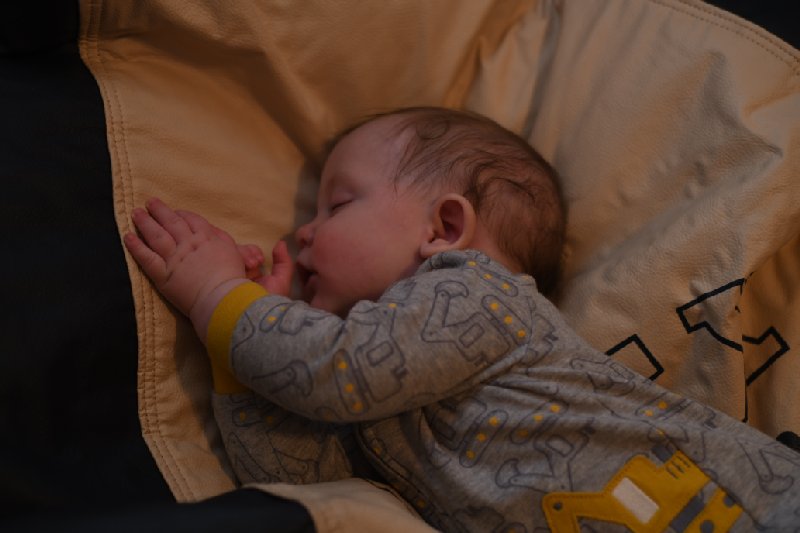
One of the few places DGR will sleep: the Word Test bean bag chair.
Julia and Alessandro came to visit us, arriving on Friday; they met us at Wild Ginger and we had a nice meal together with DGR on his best behavior except for screaming bloody murder on the drive back (he likes neither the dark nor his car seat).
We went out to the range out back; a fairly big tree had fallen across it, but it wasn't in the way. We shot the AR-15 and a couple of pistols: the 9mm XDM and .45 Kimber.
He also was able to roll himself over consistently around this time. Julia and Alex headed back Monday after I'd left for work.
<Previous 10 entries>